Okanagan Sealer Guide
Penetrating vs. Acrylic Concrete Sealer: Which Lasts in the Okanagan?
By Mike Romer, Owner · OKGN Concrete Sealing · Updated July 2026
Quick Answer
A penetrating sealer like Pavix CCC-100 protects concrete for 7–10+ years. One application, a 5-year written warranty, and no change to how the slab looks. An acrylic gives you the wet-look sheen instead, but it sits on the surface as a film and needs recoating every 1–3 years. Penetrating soaks in: Pavix is water-based and 100% VOC-free, sinks up to half an inch into the slab, seals micro-cracks up to 1/16 inch, and leaves no film — so nothing peels and the concrete keeps its natural slip resistance through the Okanagan's 80+ annual freeze-thaw cycles. Acrylic is the right call when the look is the point (stamped, coloured, or exposed-aggregate work you want to pop). Both are premium products doing different jobs. Want maximum durability with zero maintenance? Go penetrating. Want the glossy wet look on decorative concrete? Go acrylic.
The Real Choice
Two Good Sealers, Two Different Jobs
The core difference is simple: a penetrating sealer protects concrete for 7–10+ years without changing how it looks, while an acrylic sealer adds a wet-look sheen but needs recoating every 1–3 years. A lot of sealer guides online turn this into a good-guy / bad-guy story. It isn't. Penetrating and acrylic are both premium sealers — acrylic is not a cheap film — and the right one depends on what you're trying to get out of your concrete.
The simplest way to think about it: penetrating protects, acrylic decorates. A penetrating sealer soaks in and disappears, giving you the longest protection with the least maintenance. An acrylic lays down a clear film that deepens colour and adds a wet-look sheen, at the cost of recoating it more often.
We offer both, and either can go on any surface — a driveway, a patio, a pool deck, stamped or exposed-aggregate work. Below is the honest side-by-side, then a plain decision framework so you can tell which one fits your project.
Side By Side
Penetrating vs. Acrylic, Line by Line
Durability? Penetrating wins outright: 7–10+ years and a 5-year written warranty against 1–3 years between acrylic recoats. Looks? Acrylic takes it, with a wet-look sheen and colour pop a penetrating sealer just can't give you. Here's the full line-by-line on the stuff that decides it in the Okanagan: durability, look, slip, and maintenance.
| Penetrating (Pavix CCC-100) | Acrylic (Topical) | |
|---|---|---|
| How it works | Soaks in and reacts inside the pores — protects from within | Sits on top as a clear film — protects from the surface |
| Durability | 7–10+ years, 5-year written warranty | 1–3 years between recoats |
| Look | No change — natural, matte, invisible | Wet-look sheen, deeper colour, shows off decorative work |
| Slip | Keeps natural slip resistance — no film | Can be slick when wet unless an anti-slip additive is used |
| Freeze-thaw resistance | Excellent — blocks water in the pores, nothing to peel | Good, but the film takes the wear and can whiten |
| Maintenance | Low — no recoating for years | Recoat every 1–3 years to keep the finish |
| Best for | Longevity & low maintenance | Wet-look & decorative concrete |
Neither column is the "wrong" answer. If we had to name a default, it's penetrating — most Okanagan homeowners want the longest protection with the least fuss. But when the look is the point, acrylic is exactly the tool for it. And whichever product you pick, the applicator matters as much as the sealer — our guide on how to choose a concrete sealing company covers what to check before anyone touches your slab.
In Detail
What You're Actually Getting With Each
Same job, two very different products. A penetrating sealer leaves no film, so there's nothing to peel and the surface keeps its natural slip resistance. An acrylic's film is the whole point: it's what delivers the colour pop on stamped and decorative work. Here's what each one actually does, and where each one shines.
The Longevity Pick
Penetrating — Pavix CCC-100
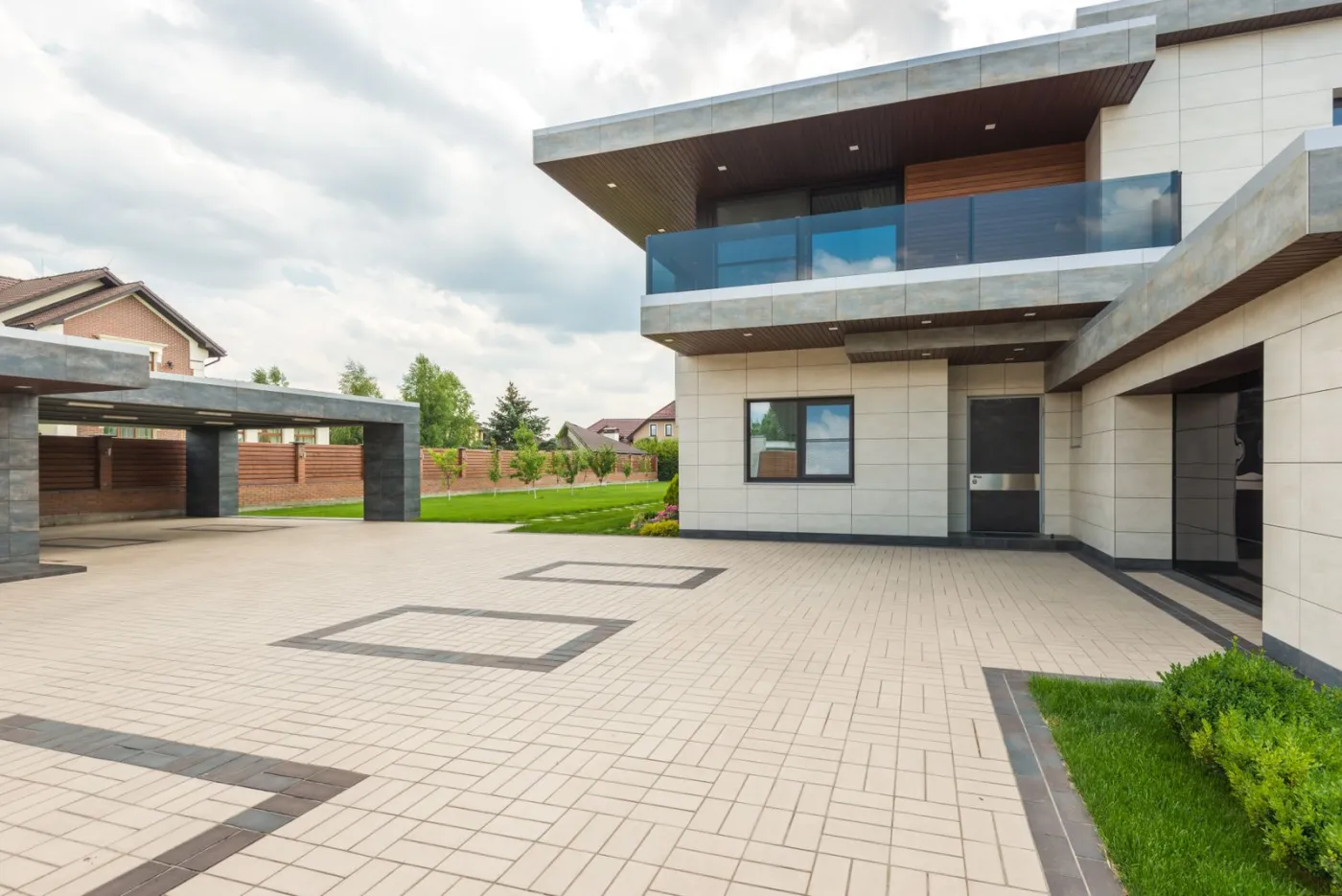
A penetrating dual-crystalline sealer that reacts inside the concrete and becomes part of the slab. There's no film on top, so there's nothing to peel, haze, or wear through. It blocks the water that drives freeze-thaw damage, holds up to intense summer UV, and doesn't make the surface slippery. This is our default recommendation for anyone who wants to seal once and forget about it.
- Lasts 7–10+ years — backed by a 5-year written warranty
- Doesn't change the look — natural matte concrete
- Keeps the surface's natural slip resistance
- Resists 80+ Okanagan freeze-thaw cycles from within
- Low maintenance — no recoating for years
Pavix is a penetrating dual-crystalline sealer with credentials most residential products don't have — validated in peer-reviewed engineering journals, studied at the Iowa State University CP Tech Center, and documented against ASTM and U.S. Army Corps of Engineers (CRD) lab methods. Those are the product's credentials, and they're why we specify it for concrete that has to last.
The Wet-Look Pick
Acrylic — Topical Sealer
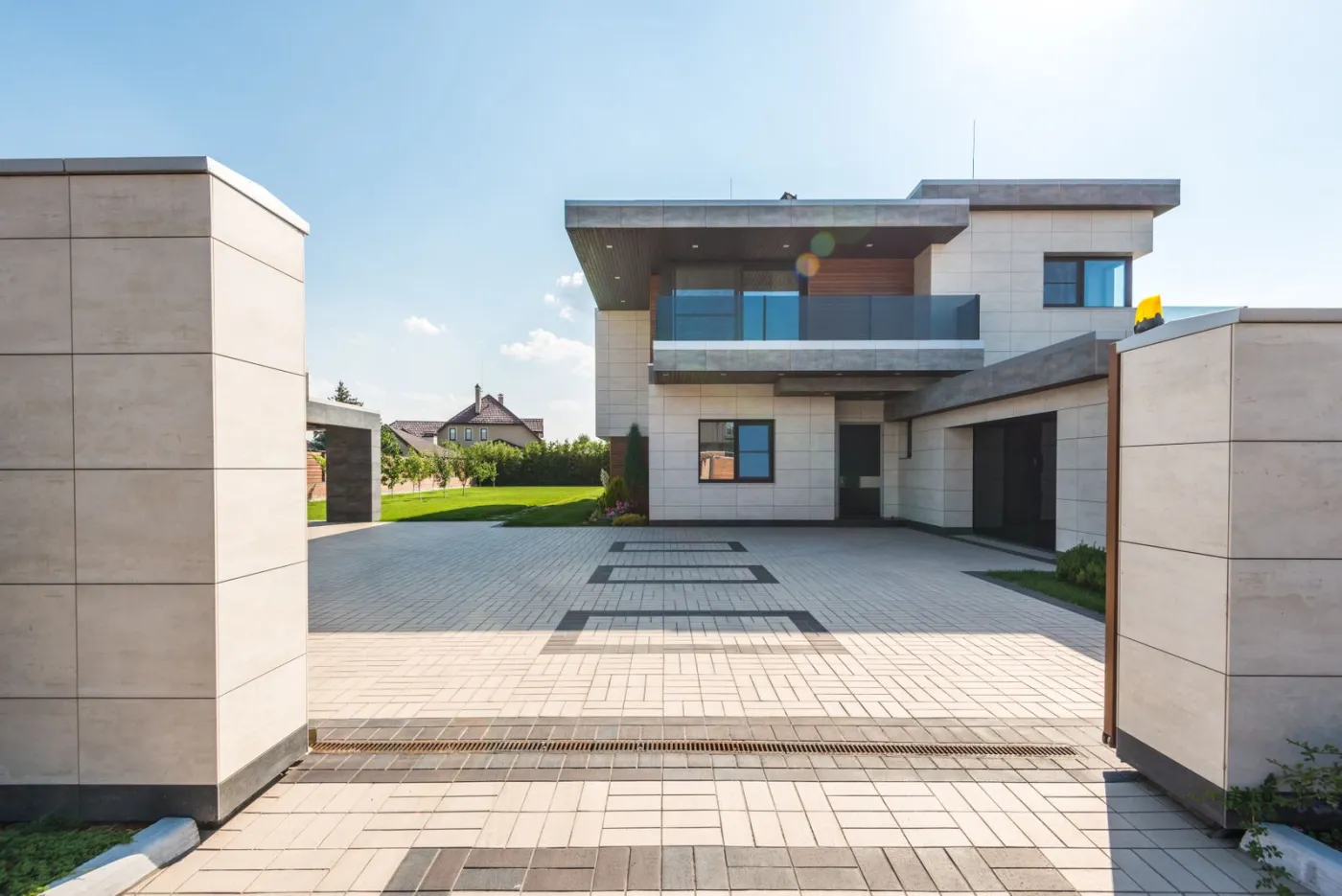
A premium topical sealer that lays down a clear film to give concrete an enhanced "wet look" — a soft sheen and a richer, deeper colour. It's the finish people picture when they want their stamped patio or exposed aggregate to really pop. It's a genuine, quality option — the trade-off is simply that a film needs more upkeep than a sealer that lives inside the slab.
- Enhanced wet-look sheen and colour pop
- Best for stamped, coloured & exposed-aggregate concrete
- A premium finish where looks are the priority
- Recoat every 1–3 years to keep it fresh
- Can show wear or whitening; can be slick when wet unless an anti-slip additive is added
When we apply acrylic, we use professional-grade product and add a fine anti-slip additive on decks, steps, and walkways so the finish looks great without turning into a hazard when it rains.
How to Choose
Which One Should You Pick?
Run your project through these two lists. Most people land clearly on one side — and plenty of homeowners use both: penetrating on the driveway, acrylic on the feature patio.
Choose penetrating (Pavix) if…
- You want the longest protection with the least maintenance
- It's a driveway, walkway, or high-traffic surface that takes salt and tires
- You like the natural look of your concrete and don't want a sheen
- Slip resistance matters — around a pool, on steps, on a walkway
- You'd rather seal once and not think about recoating for years
Choose acrylic if…
- You want that glossy, wet-look finish and richer colour
- It's stamped, coloured, or exposed-aggregate concrete you want to show off
- The concrete is a feature — a patio, entry, or pool surround where looks lead
- You're fine recoating every 1–3 years to keep the finish looking fresh
- You accept a bit more upkeep in exchange for the appearance
Still weighing whether to seal at all? Our breakdown of whether concrete sealing is worth it in Kelowna runs the numbers against the $8,000–$15,000 cost of replacing a failed slab. Otherwise, tell us how you use the surface and what look you're after, and we'll make the call with you on a free on-site assessment. For a ballpark before we visit, our concrete sealing cost calculator gives you a range in seconds.
Why the Climate Decides
What the Okanagan Does to a Sealer
This isn't a mild coastal climate. The Okanagan hits concrete with 80+ freeze-thaw cycles a year. Water soaks into the pores, freezes, expands, and forces the surface apart — that's the scaling and spalling you see on old, unsealed driveways.
Then summer swings the other way: intense sun and a UV index of 8–9 that breaks down binders and fades unprotected concrete. Add winter road salt near the street and you've got three forces working on the slab at once.
A penetrating sealer meets all three from inside the slab, with no surface film for the weather to attack — which is why it holds up longest here. An acrylic still protects, but the film is what takes the beating, and that's a big part of why it needs recoating more often in this climate.
By Surface
Which Sealer for Which Concrete
Either sealer can go on any surface — but here's where each tends to make the most sense across the surfaces we seal every week.
Driveways
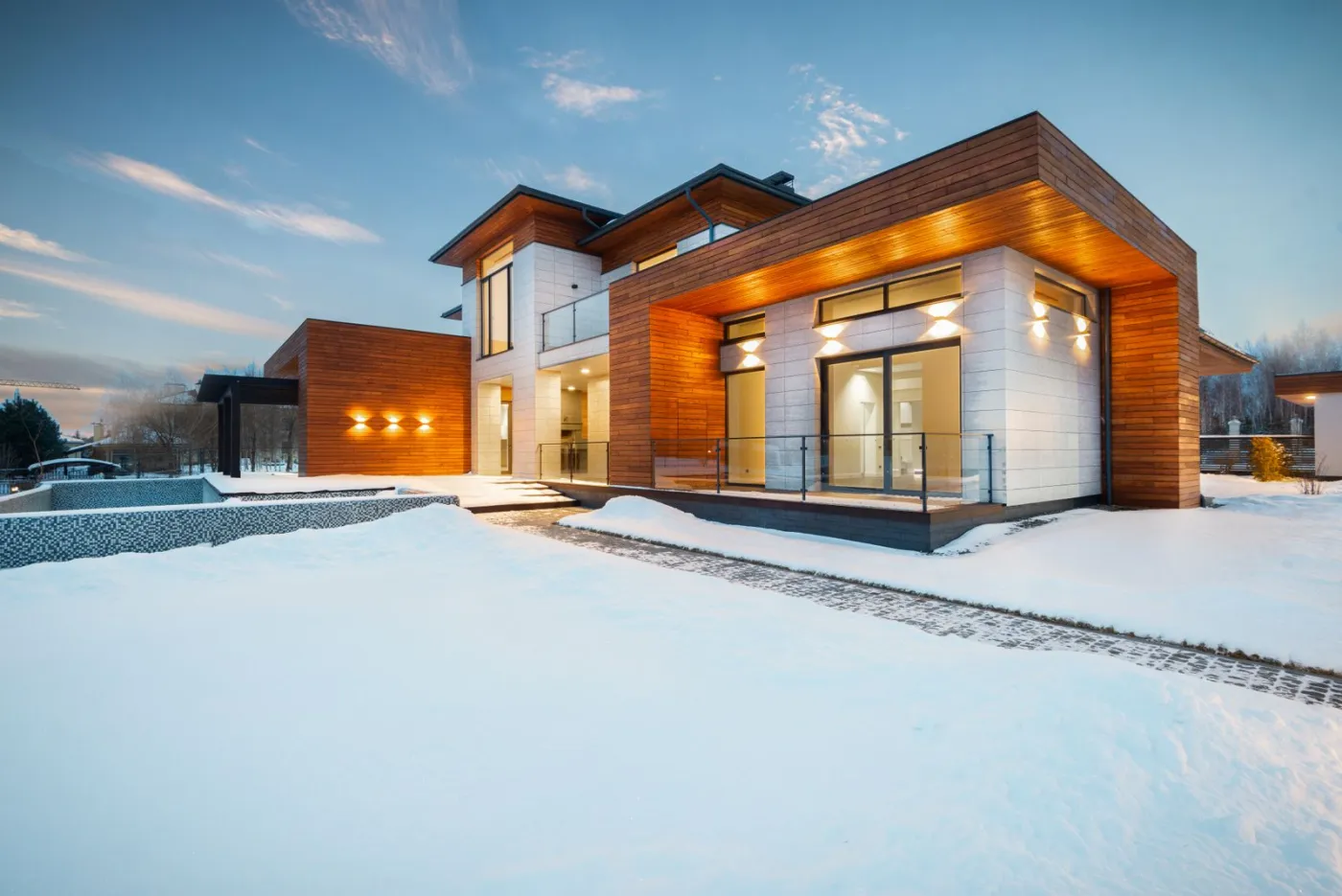
Traffic, tires, oil drips, and street salt make longevity the priority. Penetrating is the usual pick — it protects for years and keeps the natural finish.
Driveway sealing →Patios & walkways
It depends on the look you want. Penetrating for low-maintenance protection; acrylic if it's a feature patio and you want a wet-look sheen.
Patio sealing →Pool decks
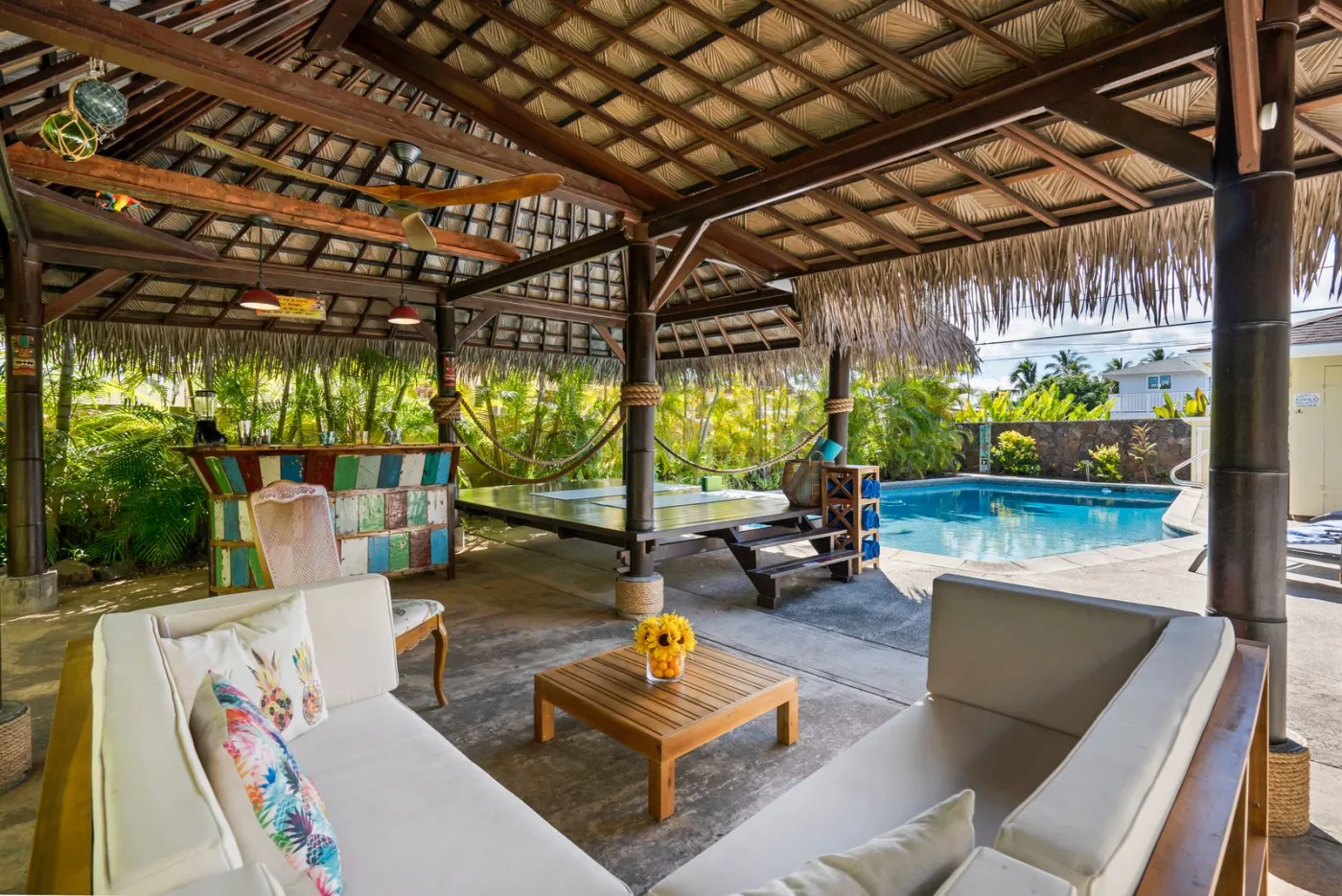
Slip safety leads. Penetrating keeps natural traction with no film; if you want acrylic's look, we add an anti-slip additive to the final coat.
Pool deck sealing →Exposed aggregate & stamped
This is acrylic's home turf — the sheen deepens colour and shows off the texture. Penetrating still works if you'd rather keep the matte look and skip recoats.
Exposed aggregate sealing →Not sure which surface you've even got, or whether you need sealing at all? Our guide on concrete sealing vs. sealcoating vs. resurfacing clears up the terms, and our full breakdown of concrete sealing in Kelowna walks through each option.
FAQ
Penetrating vs. Acrylic: Common Questions
Which concrete sealer lasts longest, penetrating or acrylic?
A penetrating sealer lasts far longer. A quality penetrating crystalline sealer like Pavix CCC-100 reacts inside the concrete and protects for 7–10+ years from a single application, and OKGN backs its sealing jobs with a 5-year written warranty. A topical acrylic sits on the surface as a film and typically needs reapplying every 1–3 years, sooner on a driveway that takes traffic and salt. If longevity is your priority, penetrating wins.
Is penetrating sealer better than acrylic?
It depends what you want. For raw durability, freeze-thaw resistance, and low maintenance, penetrating is the better choice and it's our default recommendation in the Okanagan. Acrylic isn't a worse product — it does something penetrating can't. It gives concrete an enhanced wet-look sheen and richer colour that shows off stamped, coloured, or exposed-aggregate work. If the look matters more than the maintenance schedule, acrylic is a legitimate choice.
How does a penetrating concrete sealer actually work?
It soaks into the concrete's pores and reacts with the minerals inside the slab, forming a hydrophobic crystalline barrier from within. There's no film on top — nothing to peel, nothing to wear off — and the surface keeps its natural look and slip resistance. An acrylic works the opposite way: it forms a protective film on top of the concrete instead of soaking in.
Does penetrating sealer change the look of concrete?
No. A penetrating sealer soaks into the slab and reacts inside the pores, so it leaves no film on top. Your concrete looks exactly like bare concrete — same colour, same matte finish, same texture — it's just protected from within. There's no gloss and no darkening. If you specifically want that glossy, colour-popping wet look, you want an acrylic instead, because a penetrating sealer won't give you a sheen.
How long does acrylic concrete sealer last?
Most acrylic topical sealers last about 1–3 years before they need recoating, and closer to the low end on a driveway or any surface that takes traffic, UV, and winter salt. Because acrylic sits on top as a film, it gradually wears, can haze or whiten, and eventually needs to be cleaned and recoated to keep that wet look. That shorter cycle is the trade-off for the finish it gives you.
Which sealer is best for the Okanagan freeze-thaw climate?
For sheer resistance to our 80+ annual freeze-thaw cycles, penetrating is the stronger performer. It fills the pores so water can't get in, freeze, and force the surface apart — and there's no surface film for the freeze-thaw and intense summer UV to attack. Acrylic still protects, but the film takes the brunt of the weather, which is part of why it needs recoating more often here. Either can go on any surface; we match the product to how you use the concrete and how it's exposed.
Is acrylic sealer slippery when wet?
It can be. Because an acrylic leaves a film on the surface, it can get slick when wet unless we add a fine anti-slip additive to the final coat — which we do on pool decks, steps, and any traction-critical area. A penetrating sealer doesn't change the surface at all, so the concrete keeps its natural slip resistance. If barefoot or wet-area safety is a concern, that's worth raising when we quote.
Can I put acrylic over stamped or decorative concrete?
Yes, and that's exactly where acrylic earns its keep. Stamped, coloured, and exposed-aggregate concrete is installed to look good, and an acrylic's wet-look sheen deepens the colour and makes the pattern pop in a way a penetrating sealer can't. The trade is maintenance: you'll recoat every 1–3 years to keep that finish. Plenty of homeowners happily make that trade on a feature patio while choosing penetrating on the driveway.
Do you offer both penetrating and acrylic sealing?
Yes. OKGN offers both as premium options — a penetrating Pavix CCC-100 tier for maximum longevity and a topical acrylic tier for the wet-look finish — and both can be applied to any surface. We'll look at your concrete, ask how you use it and what look you're after, and recommend honestly. It's a free, no-obligation on-site assessment, and there's never pressure to pick the pricier option.
Which concrete sealer is more cost-effective over time, penetrating or acrylic?
Penetrating usually wins on cost per year. One application protects for 7–10+ years — and OKGN backs its sealing work with a 5-year written warranty — while an acrylic needs a recoat every 1–3 years, so those applications add up over the life of the slab. That said, acrylic earns its higher lifetime maintenance when you specifically want the wet-look sheen and colour pop on decorative concrete. You're paying for the finish, and on the right patio it's worth it.
What are the downsides of sealing concrete?
Almost all of the horror stories — peeling, a slippery surface, trapped moisture, yellowing — come from cheap topical or acrylic sealers that sit on top of the slab. A penetrating sealer like Pavix avoids all of them: it soaks into the concrete instead of forming a film, so there's nothing to peel, the surface keeps its natural texture and grip, and the slab can still breathe. Done right with the right product, the real downside is minimal.
Not Sure Which Sealer Is Right for Your Concrete?
We'll look at your concrete, ask how you use it and what look you want, and recommend penetrating or acrylic honestly — free, no obligation, no pressure to pick the pricier option.