Restaurant & Hospitality Concrete Sealing in Kelowna & the OkanaganStop Wine, Grease & Stains From Costing You Covers
On bare concrete, every spilled glass of red, every grease drip and every acidic wipe-down leaves a mark that never fully comes out — and a tired, stained patio quietly costs you covers. We lock the surface with a penetrating, stain-resistant sealer so spills bead up and wipe off, wash-down at close is fast, and your outdoor patios and back-of-house floors keep looking like a room people want to eat in.
Free on-site walkthrough — we work around your service hours and give you a written scope with a clear return-to-use window. No obligation.
Request a Site Assessment
Free walkthrough · Written scope & re-seal cycle · No obligation, RFPs welcome
WorkSafeBC-Covered
Clearance letter with every quote
Licensed & Insured
COI with every quote
10+ Years Local
Sealing Okanagan concrete
Pavix CCC-100
Penetrating, lab-tested
The Problem
Restaurant Concrete Takes a Beating — Inside and Out
A restaurant patio is exposed concrete working a double shift. It takes grease, wine, coffee, food and acidic spills all service long, then gets hit with cleaning chemicals at close, night after night. On top of that, the Okanagan's shoulder seasons run it through freeze-thaw cycles that crack and spall an unprotected slab. On bare concrete every one of those spills soaks straight in — and the stain is permanent.
Inside, your dining-room and back-of-house floors have their own problem. Grease, constant foot traffic and spills break down a bare or worn surface, and wet, greasy concrete turns into a slip hazard your staff and inspectors both notice.
The result is the same in both zones: a tired, blotchy patio reads as a tired restaurant, and a stained or slick floor costs you in re-dos, complaints and risk. The fix is to stop spills from getting into the concrete in the first place.

What Sealing Does
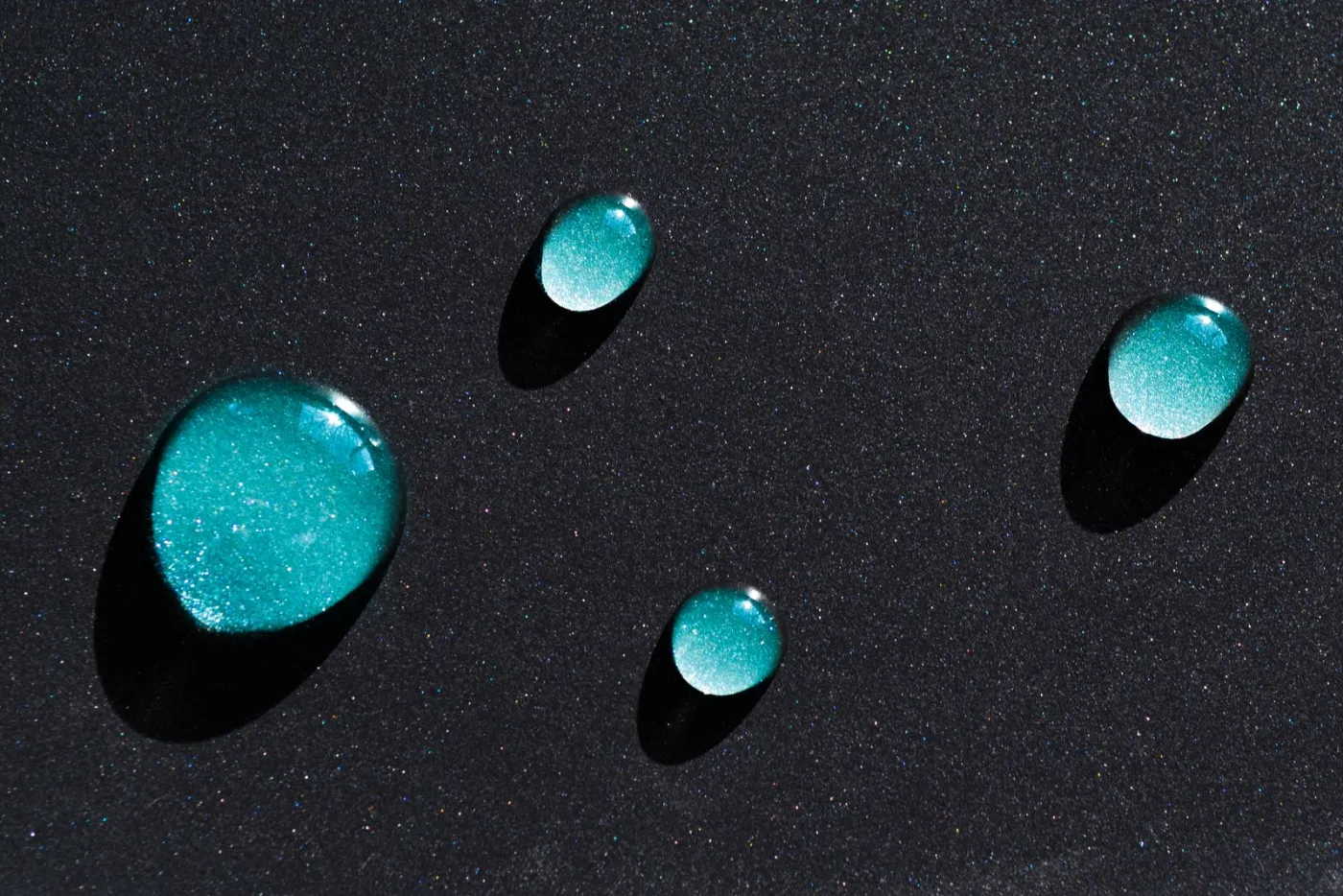
Spills Bead Up — Wash-Down Gets Easy
A penetrating sealer fills the pore structure of the concrete so grease, wine and acidic spills sit on the surface instead of soaking in. That single change is what turns a permanent stain into a quick wipe — and makes the nightly wash-down at close faster and far less work for your closing staff.
We match the finish to each zone, so a busy floor stays slip-aware when it is wet or greasy, and a decorative or stamped patio keeps its look while it is protected from spills and freeze-thaw.
- Stain resistance — grease, wine and acidic spills bead up and wipe off
- Faster, easier wash-down at close — less scrubbing, less chemical
- Slip-aware finishes matched to busy dining and back-of-house floors
- Protects decorative and stamped patios so they keep their look
- Resists freeze-thaw damage on outdoor patios through shoulder seasons
Two Surfaces, Two Specs
We Seal Your Patio and Your Floors Differently
A dining patio and a back-of-house floor fail in different ways, so we do not coat them the same way. We walk the space and spec the finish to how each surface is actually used.
Outdoor Dining Patios
Patios take food and drink spills plus Okanagan freeze-thaw in the shoulder seasons. We prioritise stain resistance and freeze-thaw protection, protect any decorative or stamped finish, and pick a sheen that suits a guest-facing dining space.

Interior Dining & Back-of-House Floors
Interior concrete is about grease resistance, fast wash-down at close, and slip safety under constant foot traffic. We use a slip-aware finish and adjust sheen and anti-slip treatment so a sealed floor is an asset, not a liability, when it is wet or greasy.
Our Process
Sealed Around Your Service — Not Instead of It
You do not lose covers while we work. We seal between services, overnight, or on a slow day, and the penetrating sealer means a fast return to use.
Assessment & Scope
We walk the patio and the interior floors, check the surface condition, finish and access, and flag any decorative or stamped areas. You get a written scope and itemized ranges at no cost.
Schedule Around Service
We book the work between services, overnight, or on your slowest day so the dining room and patio stay earning. We confirm a return-to-use window up front.
Surface Prep
The concrete is cleaned of grease, residue and debris so the sealer can penetrate. Heavily soiled back-of-house floors may need pre-treatment for the sealer to bond and react properly.
Penetrating Application
The water-based sealer is applied and soaks in to protect from within. No thick film, no harsh fumes lingering in a food-service space, and a slip-aware finish where it counts.
Fast Return to Use
We mark off curing areas clearly and bring each zone back to service on schedule — so you are open and trading again with minimal downtime.
Re-Seal Cycle
You get documentation of the work plus a recommended re-seal cycle so patio and floor protection goes straight into your maintenance plan.
Product Authority
Why We Seal With Pavix CCC-100
A restaurant works concrete from both sides — grease, wine, coffee and food acids hitting the surface all service, then an outdoor patio cycling through Okanagan freeze-thaw in the shoulder seasons on top of it. So we don't seal a patio or a kitchen floor with whatever's cheapest on the shelf. The product we apply, Chem-Crete Pavix CCC-100, is a penetrating dual-crystalline sealer that fills the pore structure from inside the slab — the same chemistry the manufacturer tests against water, salt and freeze-thaw on bridge and highway decks. That track record is the manufacturer's, not ours, but it is why we specify it for dining concrete that takes acidic spills and weather daily and can't be closed for a week to resurface.
- Backed by independent, peer-reviewed research. The dual-crystalline technology has been published in peer-reviewed engineering journals (Case Studies in Construction Materials, 2020 and 2021) and studied as a project of the National Concrete Pavement Technology Center at Iowa State University — most consumer sealers have nothing of the kind behind them.
- Made by an established manufacturer. Chem-Crete has developed concrete and pavement protection products since 1969 and now offers more than 120 construction solutions used on roadways, bridges, tunnels and commercial structures.
- Engineered for shoulder-season freeze-thaw. Tested to ASTM C666 and C672, the system shows a 94% reduction in surface mass loss after 70 freeze-thaw cycles — the exact cycling that pits and spalls an unprotected outdoor patio through the Okanagan's cold-night, warm-day shoulder seasons while the dining room next door stays untouched.
- Keeps grease and acidic spills on the surface. The manufacturer's lab data reports a reduction in water permeability of two to three orders of magnitude — that drop in absorption is what keeps red wine, grease drips and acidic wipe-downs sitting on top of the concrete to be cleaned up, instead of soaking in and setting as a permanent stain on a guest-facing floor.
- Penetrating, not a topical film. Pavix is a dual-crystalline penetrating treatment, tested for water permeability to the U.S. Army Corps of Engineers CRD-48-92 method — it protects from inside the slab, so a busy back-of-house floor has no coating to wear, scuff or peel under constant foot traffic and nightly wash-down.
- Proven on concrete under far worse. The dual-crystalline system we apply is marketed and used by the manufacturer on bridge decks, highways and airport pavements — concrete that takes weather and chemical exposure well beyond a dining patio and still has to hold.
Performance figures are the manufacturer's published laboratory results, tested to the noted ASTM and U.S. Army Corps of Engineers methods. We are an independent applicator of Pavix CCC-100; these are the product's credentials.
FAQ
Restaurant Concrete Sealing Questions
Will sealing stop wine and grease stains on our patio?
On bare concrete, wine, grease, coffee and acidic spills soak straight in and become permanent. A penetrating sealer fills the pore structure so those same spills bead up and sit on the surface instead of being absorbed — your staff can wipe or wash them off instead of scrubbing a stain that never fully comes out. It dramatically cuts permanent staining, though no sealer makes concrete fully stain-proof if a heavy spill is left to dry for hours.
Can you work around our service hours?
Yes — that is the whole point of how we schedule restaurant work. We seal between services, overnight, or on your slowest day so you are not losing covers while we work. The sealer is penetrating and water-based, so there is no thick film to cure for days. We give you a clear return-to-use window up front so you know exactly when the patio or floor section is back in service.
Is the finish slip-safe for a busy floor?
We match the finish to the area. Back-of-house and dining floors that see grease and foot traffic get a slip-aware finish — we can adjust sheen and add anti-slip treatment so a sealed floor is not a liability when it is wet or greasy. Outdoor patios get a finish suited to dining and weather. We walk the space first and recommend the right finish for each zone rather than coating everything the same way.
Do you seal patios and interior floors differently?
Yes. An outdoor dining patio has to handle food and drink spills plus Okanagan freeze-thaw in the shoulder seasons, so we prioritise stain resistance and freeze-thaw protection, and we protect any decorative or stamped finish. Interior dining and back-of-house concrete is about grease resistance, easy wash-down at close, and slip safety under foot traffic. We assess each separately and spec the finish to how the surface is actually used.
What does restaurant concrete sealing cost?
It is priced by square footage, surface condition, finish and access — there is no flat rate, and we do not quote fixed prices sight-unseen. A tired, stained patio costs you covers and re-do work; sealing is a fraction of resurfacing or replacing decorative concrete. Request a site assessment and we will give you itemized ranges you can budget against.
*Permeability and freeze-thaw performance figures refer to the dual-crystalline sealer technology tested to the noted ASTM and CRD-48-92 methods.
Protect Your Patio and Floors Before the Next Service
A no-cost site assessment gets you a written scope, a recommended re-seal cycle, and itemized ranges you can budget against. We schedule around your service hours so you never lose covers — and sealing your concrete now costs a fraction of resurfacing a stained patio later.