Parkade Sealing & Waterproofing in the OkanaganStop Salt & Freeze-Thaw Before They Reach Your Rebar
Every winter, road salt and meltwater drive down through your deck toward the rebar — and once the steel starts to corrode, you are budgeting for a five- to six-figure deck repair, not a seal coat. We stop the water and salt at the surface with a penetrating dual-crystalline sealer rated for bridge decks and parking structures — protection that works inside the slab, with no membrane to peel or wear through.
Free on-site walkthrough — you get a written scope and re-seal cycle to take to your council or owner. No obligation.
Request a Site Assessment
Free walkthrough · Written scope & re-seal cycle · No obligation, RFPs welcome
WorkSafeBC-Covered
Clearance letter with every quote
Licensed & Insured
COI with every quote
10+ Years Local
Sealing Okanagan concrete
Pavix CCC-100
Bridge-deck-grade, lab-tested
The Problem
Why Parkades Fail: Salt, Freeze-Thaw and Rebar
A parkade is the highest-value, highest-risk concrete a property manages, and it faces a perfect storm. Every winter, vehicles carry road salt and ice-melt onto the deck on their tires. Meltwater pools, soaks into the slab, then freezes and expands through dozens of Okanagan freeze-thaw cycles a season.
Salt is the real killer. Chloride ions migrate down through the concrete to the reinforcing steel. Once salt reaches the rebar, the steel corrodes and expands — and that pressure cracks and spalls the slab from the inside. By the time damage is visible on the surface, the problem is already in the structure.
Unprotected, that path ends in deck repairs and structural work that run well into five and six figures. The fix is to stop the water and salt from getting into the slab in the first place.
Our Technology
Penetrating Dual-Crystalline Waterproofing
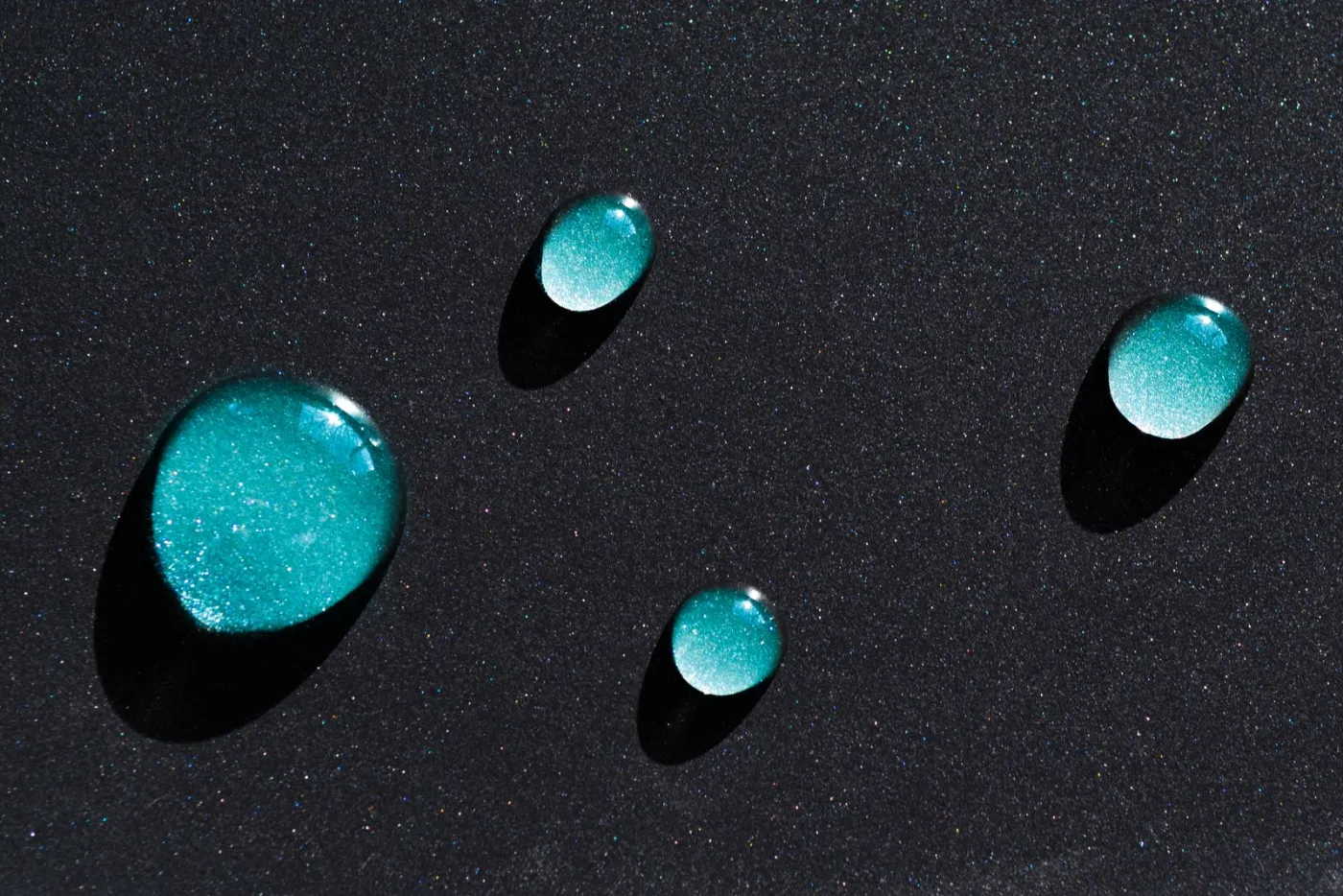
We use Chem-Crete Pavix CCC-100, a penetrating dual-crystalline waterproofing sealer. Instead of laying a sheet or elastomeric membrane on top of the deck, it soaks into the slab and reacts inside the concrete — so there is no coating to wear through, peel, or fail at the bond line under vehicle traffic.
The same dual-crystalline technology is used on bridge and highway decks, airport runways and parking structures. It is water-based and non-toxic, which matters in an enclosed parkade.
- Reduces water permeability by 2–3 orders of magnitude (tested to CRD-48-92)
- Reduces chloride-ion (road salt) penetration into the slab and toward the rebar
- Reduces ice adhesion on the deck surface
- Penetrates and protects from within — nothing to peel or wear off
- Water-based and non-toxic — safe for enclosed structures
Our Process
Sealing a Live Parkade Without Shutting It Down
Residents and tenants need their parking. We sequence the work so they keep it — and so a property manager never fields a wave of complaints about blocked access.
Assessment & Scope
We walk the structure, check the deck condition, drainage and salt exposure, and map access by level. You get a written scope and a recommended re-seal cycle at no cost.
Staged Scheduling
We seal one level or one section at a time so a portion of the parkade always stays open. We work around tight access windows and supply resident notice templates you can post.
Surface Prep
The slab is cleaned of oil, salt residue and debris so the sealer can penetrate. Heavily soiled decks may need pre-treatment for the crystalline reaction to work properly.
Penetrating Application
The water-based sealer is applied to the deck and soaks in to react inside the concrete. No harsh fumes, no thick film, no long shutdown of the structure.
Cure & Reopen
We mark off curing areas clearly, keep the rest of the structure safe and accessible, and bring each section back to service on schedule.
Documentation
You get documentation of the work for your records and depreciation report, plus a reminder when the next re-seal is due.
Product Authority
Why We Seal With Pavix CCC-100
A parkade deck is structural concrete with rebar a few inches under your tires, and chloride from winter road salt is the one thing that quietly destroys it. So we don't seal it with whatever's cheapest on the shelf. The product we apply, Chem-Crete Pavix CCC-100, is a penetrating dual-crystalline sealer the manufacturer built and tests for exactly this — bridge decks, highway decks and parking structures that live under salt, traffic and freeze-thaw and can't be torn up and replaced when the steel inside starts to corrode. That track record is the manufacturer's, not ours, but it is why we specify it for a suspended deck instead of a consumer driveway sealer.
- Backed by independent, peer-reviewed research. The dual-crystalline technology has been published in peer-reviewed engineering journals (Case Studies in Construction Materials, 2020 and 2021) and studied as a project of the National Concrete Pavement Technology Center at Iowa State University — most consumer sealers have nothing of the kind behind them.
- Made by an established manufacturer. Chem-Crete has developed concrete and pavement protection products since 1969 and now offers more than 120 construction solutions used on roadways, bridges, tunnels and commercial structures.
- Built to stop the chloride that reaches your rebar. The manufacturer's lab testing, run to ASTM C1202, reports roughly a 98% reduction in chloride-ion penetration — and chloride driving down to the reinforcing steel is the exact mechanism behind the rebar corrosion, spalling and deck repairs that ruin a parkade.
- Engineered for the freeze-thaw a deck actually sees. Tested to ASTM C666 and C672, the system shows a 94% reduction in surface mass loss after 70 freeze-thaw cycles — the kind of repeated freezing of trapped meltwater that breaks a suspended deck apart from the surface down — and is documented to cut deicing-salt demand by 50 to 60%.
- Penetrating, not a topical membrane. Pavix is a dual-crystalline penetrating treatment, tested for water permeability to the U.S. Army Corps of Engineers CRD-48-92 method — it waterproofs from inside the slab, so there is no sheet or elastomeric membrane to wear through or delaminate under turning, braking vehicle traffic.
- Used on the same kind of structure. The dual-crystalline system we apply is marketed and used by the manufacturer on bridge decks, highway decks and parking structures across North America and abroad — suspended, vehicle-loaded concrete that fails the same way a parkade does.
Performance figures are the manufacturer's published laboratory results, tested to the noted ASTM, AASHTO and U.S. Army Corps of Engineers methods. We are an independent applicator of Pavix CCC-100; these are the product's credentials.
FAQ
Parkade Sealing Questions
Is this a waterproofing membrane?
No. We use a penetrating dual-crystalline waterproofing sealer that soaks into the slab and reacts inside the concrete, rather than a sheet or elastomeric membrane that sits on top. It waterproofs from within, so there is no coating to wear through, peel or fail at the bond line under traffic.
How does it protect a parking structure?
The same dual-crystalline technology is used on bridge and highway decks, airport runways and parking structures. It reduces water permeability by two to three orders of magnitude when tested to CRD-48-92, and reduces chloride-ion (road salt) penetration and ice adhesion — which is exactly what damages a parkade slab and the rebar inside it.
Will it disrupt residents or tenants?
We seal one level or one section at a time so people keep access to parking throughout the job. We set clear cure-time windows, mark off treated areas, and can supply notice templates for you to post. The product is water-based and non-toxic, so there are no harsh fumes in an enclosed structure.
How long does it last?
Because the protection is inside the concrete rather than a coating on the surface, it cannot wear off or peel the way a topical product does. After a site assessment we give you a per-surface re-seal cycle in writing so it can go straight into your maintenance budget.
What does parkade sealing cost?
It is priced by square footage, deck condition and access — there is no flat rate. But penetrating waterproofing is a small fraction of the cost of repairing a failed deck or replacing salt-damaged concrete and rebar. Request a site assessment and we will give you itemized numbers to budget against.
*Permeability and chloride-ion performance figures refer to the dual-crystalline sealer technology tested to CRD-48-92.
Protect Your Parkade Before the Damage Reaches the Rebar
A no-cost site assessment gets you a written scope, a recommended re-seal cycle, and itemized numbers you can take to your council or owner. Waterproofing the deck now costs a fraction of repairing it later. Sealing cures best in dry, above-freezing weather, so booking before fall gets the work done ahead of salt season.