Patio Sealing in KelownaProtect Your Outdoor Living Space
Your patio takes a beating. Morning coffee in March. BBQs in July. Wine stains after dinner parties. And then 80+ freeze-thaw cycles hit between November and April.
80+
Freeze-Thaw Cycles/Year
9%
Water Expansion When Frozen
35+
Summer High Temps (C)
7-10+
Years Protection
The Okanagan Problem
I've Seen It Happen to Hundreds of Patios
Water gets into those pores. Freezes. Expands. Cracks form. And that beautiful patio you paid good money for? It starts falling apart.
We use Pavix CCC-100. It's a penetrating crystalline sealer that goes up to half an inch into your concrete. Not some film that sits on top and peels off in two years.
The Okanagan puts your patio through extremes. We hit 35+ degrees in summer. Then drop to minus 20 in January. That temperature swing alone does damage.
5 Reasons
Why Your Kelowna Patio Needs Sealing
Unprotected patios don't last. Period. Here's what you're up against.
Freeze-Thaw
Grease Stains
UV Damage
Freeze-Thaw Damage
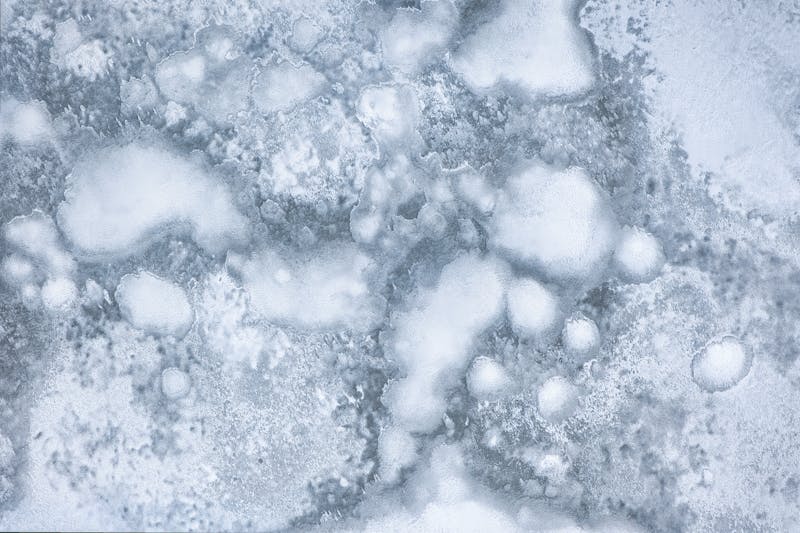
Water soaks in during fall rains. Freezes in winter. Ice expands 9%. Your concrete can't stretch. So it cracks. Every single winter this cycle repeats.
Stains That Won't Come Out
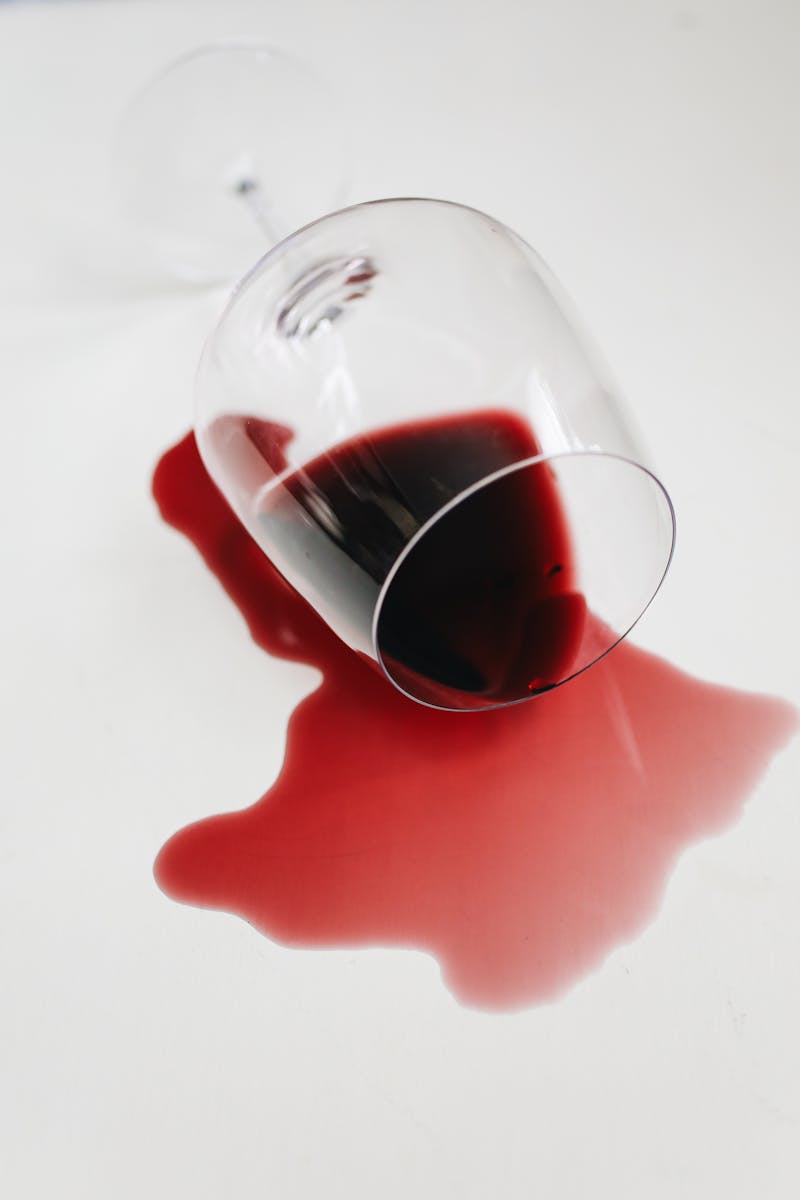
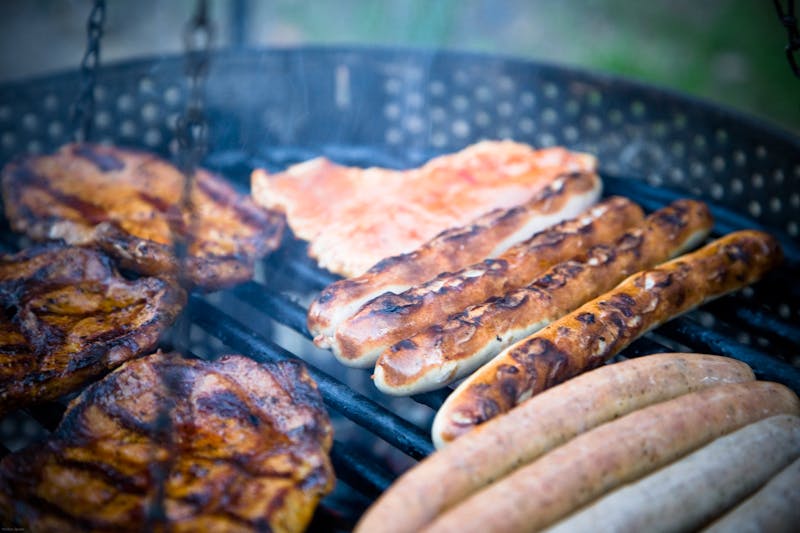
Red wine. Cooking oil. BBQ grease. Once these soak into unsealed concrete, they're there for good. I've seen patios that look permanently spotted after just one summer.
Fading and Discoloration
Our Okanagan sun is intense. UV exposure breaks down the cement paste between aggregate stones. What was once a rich grey turns chalky white.
Moss and Mildew
Shaded areas hold moisture. Moisture breeds mold. Green patches appear. They get slippery. Someone's gonna fall eventually.
The Replacement Cost
Tearing out and replacing a 400 square foot patio? You're looking at $8,000 to $15,000 easy. Sealing costs a fraction of that. Do the math.
Our Technology
Pavix CCC-100: Commercial-Grade Protection
We don't use cheap acrylic sealers. Never have. Pavix CCC-100 is a penetrating crystalline sealer originally developed for airports, bridges, and highways. Commercial infrastructure that can't fail.
When we spray Pavix on your patio, it doesn't just sit on top. It soaks in. Penetrates up to half an inch depending on your concrete's porosity. Inside those pores, it forms crystals. Those crystals block water permanently.
| Benefit | What It Means For Your Patio |
|---|---|
| Deep Penetration | Up to 1/2" into concrete. Becomes permanent. |
| Waterproof + Breathable | Blocks water in, lets moisture vapor out. |
| Stain Resistance | Wine, grease, food - they stay on surface. |
| Natural Look | No glossy film. Your patio looks natural. |
| 100% VOC-Free | Safe around kids, pets, and your garden. |
| Self-Cleansing | Rain actually cleans the surface over time. |
| UV Protection | Preserves color on stamped concrete. |
Our Process
The Patio Sealing Process
No shortcuts. No skipping steps. Here's exactly how we do it.
Surface Assessment
We check your patio's current condition. Look for existing cracks, spalling, staining. Identify problem areas. Some issues need repair before sealing.
Deep Cleaning
All dirt, mildew, and debris need to come off. We pressure wash thoroughly. Let it dry. The sealer needs clean pores to penetrate properly.
Furniture Relocation
We'll move lightweight furniture. Heavy items we ask you to relocate beforehand. Everything goes back same day once the sealer dries.
Professional Application
We spray Pavix evenly across the entire surface using specialized equipment. Coverage rate depends on your concrete's porosity.
Cure Time
Pavix dries in approximately one hour under normal conditions. You can walk on it same day. Just keep it dry for 24 hours if possible.
Final Inspection
We check coverage and make sure you're happy with the result. Explain maintenance. Answer questions. Simple as that.
Sealer Comparison
Best Patio Sealer: Penetrating vs. Film-Forming
You've got options out there. Most of them are wrong for outdoor concrete. Here's the breakdown.
Film-Forming Sealers
Acrylic, Epoxy, Polyurethane
- XSit on top of the concrete
- XCreate a visible film
- XPeel, flake, and bubble over time
- XTurn cloudy with moisture trapped
- XNeed reapplication every 1-3 years
- XGet slippery when wet
- XTrap moisture causing delamination
Penetrating Sealers
Crystalline Technology (What We Use)
- +Soak into the concrete
- +No visible film means no peeling
- +Waterproof from the inside
- +Natural appearance preserved
- +Surface stays slip-resistant
- +Lasts 10+ years in many applications
- +Works even if concrete is slightly damp
I've seen guys use epoxy on outdoor patios. Looked great for about 8 months. Then it started peeling in sheets. For outdoor use in the Okanagan, penetrating sealers win. Every time.
Transparent Pricing
Patio Sealing Cost in Kelowna
Let's talk numbers. Because I know that's what you're actually wondering.
Patio Size
Bigger patios cost more total but often less per sq ft
Condition
Clean concrete = fast. Stained or cracked = more prep
Access
Ground level with truck access is easiest
Concrete Type
Standard, stamped, or heavily textured
Small Patio
$200-$400
100-200 sq ft
Average Patio
$400-$800
200-400 sq ft
Large Patio
Custom
400+ sq ft
The Value Calculation
Replacing
$8,000-$15,000
$20-35 per sq ft
Sealing
$400-$800
Most patios
Even sealing every 5 years saves you thousands.
Checklist
Signs Your Patio Needs Sealing
- !Water soaks in instead of beading up
- !Concrete gets dark when wet and takes forever to dry
- !Stains from wine, grease, or leaves won't come out
- !You're seeing small flaking or surface erosion
- !Moss or mildew growing in shaded areas
- !Stamped concrete color is fading
The fix isn't complicated. Seal the concrete. Block the water. Stop the damage cycle.
Types We Seal
Patio Types
Poured Concrete
Standard grey or colored. Most common type.
Stamped Concrete
Decorative patterns hold more moisture. Sealing preserves color.
Exposed Aggregate
Beautiful stones showing through. Sealer locks them in place.
Concrete Pavers
Individual stones with joints. We seal the paver surface.
Natural Stone
Flagstone, slate. Same penetrating protection.
FAQ
Frequently Asked Questions
How often should I reseal my concrete patio?
With Pavix CCC-100, you're looking at 7 to 10+ years before resealing is needed. Traditional acrylic sealers require reapplication every 2 to 3 years. The penetrating formula creates a permanent bond that outlasts surface coatings by years.
Can I seal my patio myself?
You can. Should you? Probably not. DIY sealers from big box stores are usually low-grade acrylics. Application technique matters. Miss a spot? Get uneven coverage? You'll see it. Professional application with commercial-grade product costs more but lasts 5x longer.
Will patio sealer make my concrete slippery?
Not with penetrating sealers like Pavix. The surface texture stays exactly the same because there's no film layer. Your patio maintains its natural slip resistance. Film-forming sealers are the ones that get dangerously slick when wet.
How long does patio sealing take?
Most residential patios take 2 to 4 hours including prep, application, and cleanup. Larger or more complex patios take longer. You can walk on it the same day. We recommend keeping it dry for 24 hours for full cure.
Can you seal a stained patio?
Depends on the stain. Surface stains from leaves or dirt come off with pressure washing. Deep oil or rust stains may need treatment first. Sealing won't remove existing stains, but it prevents new ones from setting in.
What about patio furniture during sealing?
We'll move lightweight furniture. Heavy items we ask you to relocate beforehand. Everything can go back same day once the sealer dries (about an hour in warm weather).
Does sealer protect against moss and mildew?
Yes. Moss and mildew need moisture to grow. Sealed concrete doesn't hold moisture the same way. Existing mildew gets removed during prep. The sealer helps prevent regrowth.
What's the best season for patio sealing?
Spring and fall are ideal in the Okanagan. Temperatures above 10 degrees Celsius work best. Summer works too, but we prefer cooler mornings. Winter sealing is possible but cure times extend.
Patio Sealing Service Areas
We provide concrete patio sealing throughout the Okanagan Valley
Located outside these areas? Give us a call. We travel for larger projects.
Protect Your Patio Before Winter
Your patio shouldn't be something you worry about. Seal it properly once and enjoy it for years.
Okanagan winters aren't getting easier on concrete. The freeze-thaw cycles keep coming.
Related Services