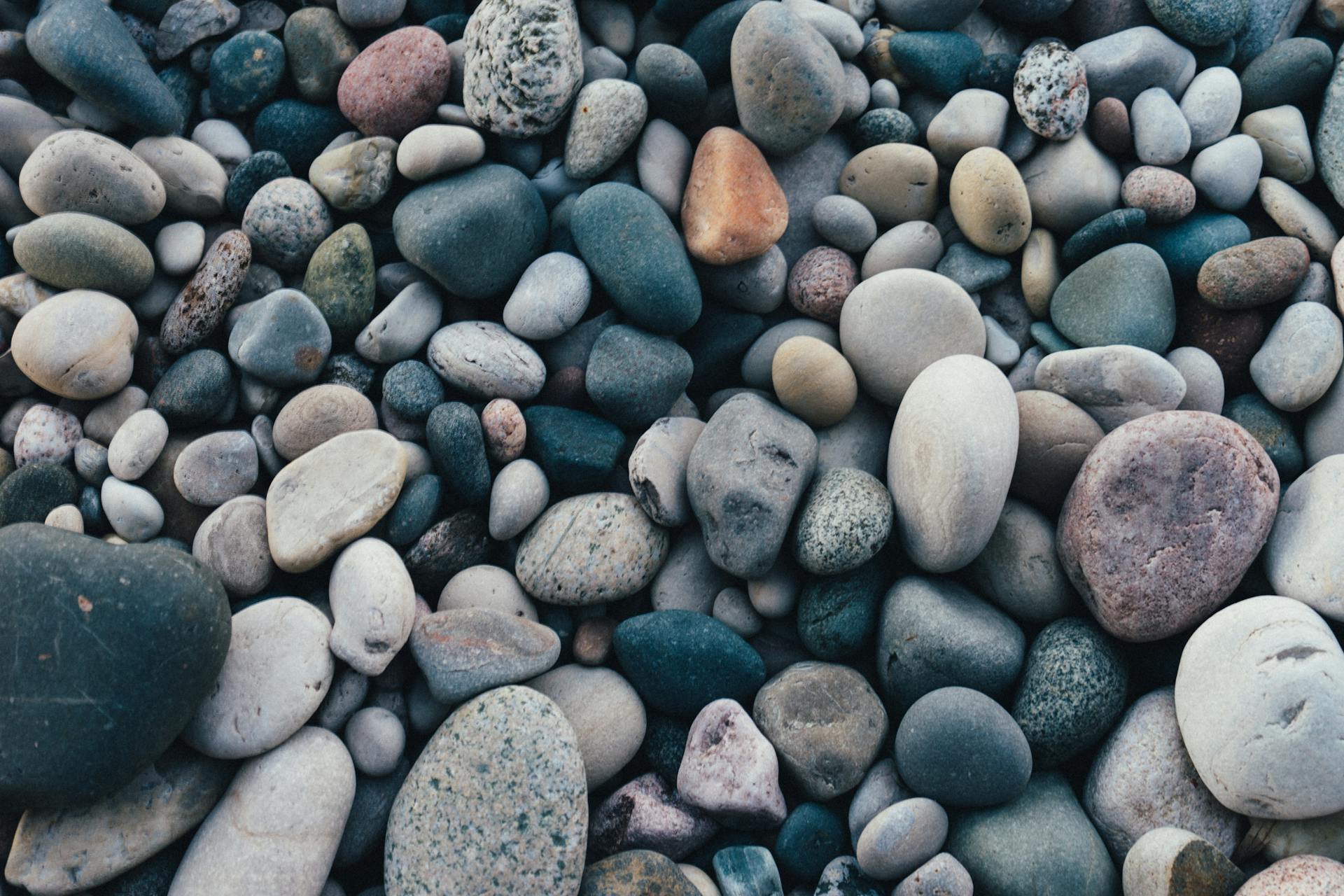
Exposed Aggregate Sealing in KelownaProtect Your Premium Concrete Investment
Those decorative stones sitting proud of the surface? They're more vulnerable than a flat slab. Water gets underneath. Freeze-thaw cycles pry them loose.One winter, everything looks fine. The next, you're sweeping pebbles off your garage floor.
3x
More Surface Area Than Flat Concrete
80+
Freeze-Thaw Cycles/Year
5-10
Years Protection
$15-25
Per Sq Ft to Replace
The Hidden Vulnerability
Why Exposed Aggregate Needs More Protection
Exposed aggregate is everywhere in the Okanagan. And for good reason. It looks great, handles foot traffic, shows off the natural stone.
Problem is, most homeowners think that textured surface means it's tougher than regular concrete. It's not.
When they pour it, they wash away the top layer of cement paste to reveal those stones. That creates a beautiful textured finish. It also creates three times more surface area for water to attack.
5 Reasons
Why Your Exposed Aggregate Needs Sealing
Every stone, every crevice, every pocket between pebbles is a place for water to sit. In the Okanagan, that's a recipe for trouble.

Stone Loss
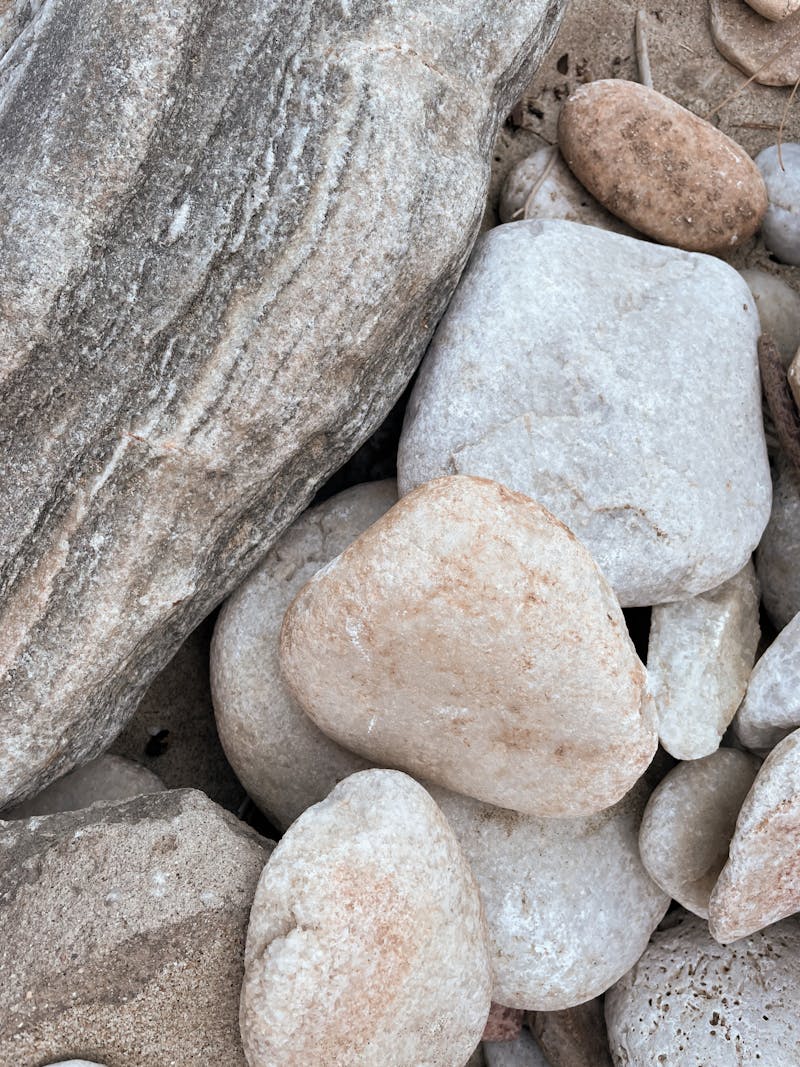
Water Damage
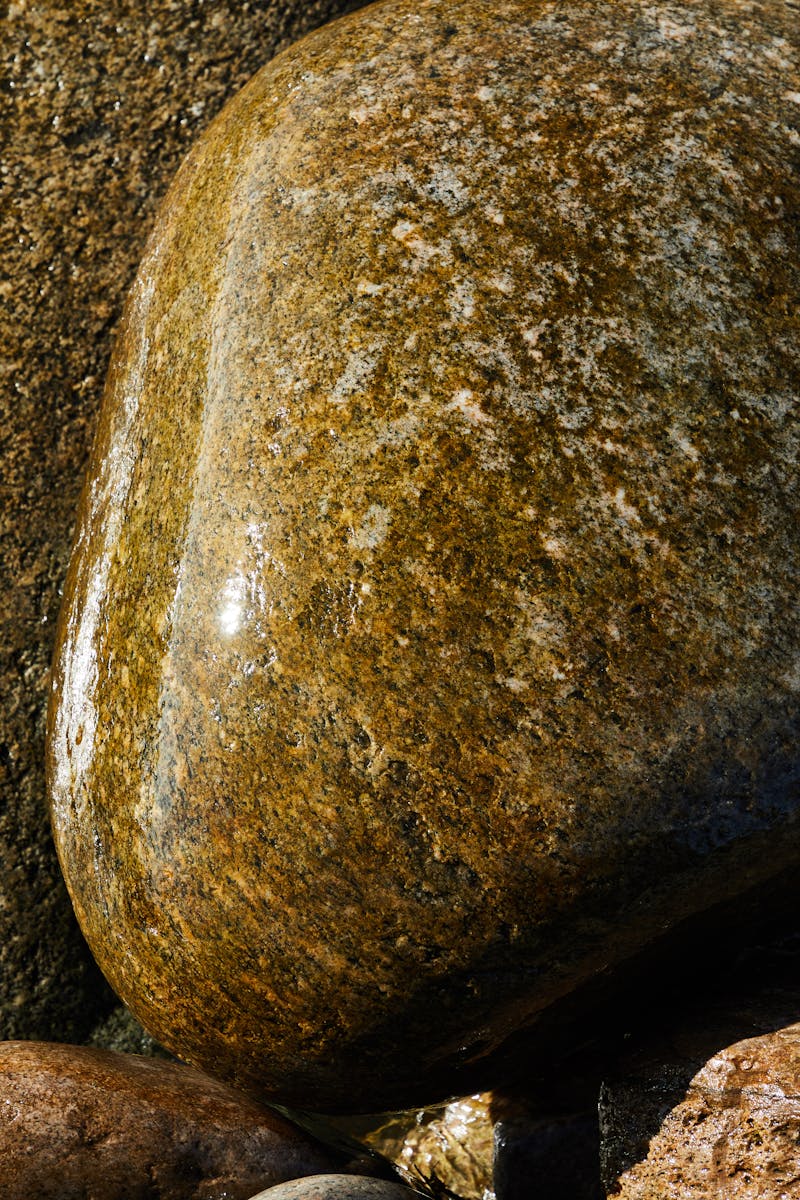
Color Fading
The Freeze-Thaw Problem
We see 80+ freeze-thaw cycles every winter. Water gets into those tiny gaps around the aggregate stones. Freezes. Expands. Pushes the stone a fraction of a millimeter. Thaws. More water gets in. Repeat that 80 times and stones start popping out.
Stone Pop-Out
I've seen driveways lose a handful of pebbles the first winter. By year three, they've got bald patches. By year five, the whole surface is compromised. Once a stone is loose, the damage accelerates.
UV and Color Fading
The cement paste between your stones takes a beating from Okanagan summers too. Strong UV breaks down the surface. That grey matrix starts looking washed out. Your stones lose their contrast. Sealed exposed aggregate holds its color years longer.
Stain Penetration
That textured surface is a stain magnet. Oil drips from your car. Leaves decompose and leave tannin stains. BBQ grease splashes. On smooth concrete, you can often scrub stains out. On exposed aggregate? They get down into those crevices and stay there.
The Cost Reality
Replacing an exposed aggregate driveway runs $15-25 per square foot. On a 600 sq ft driveway, that's $9,000-$15,000. Professional sealing that extends your driveway's life by 10+ years costs under $1,500. The math is obvious.
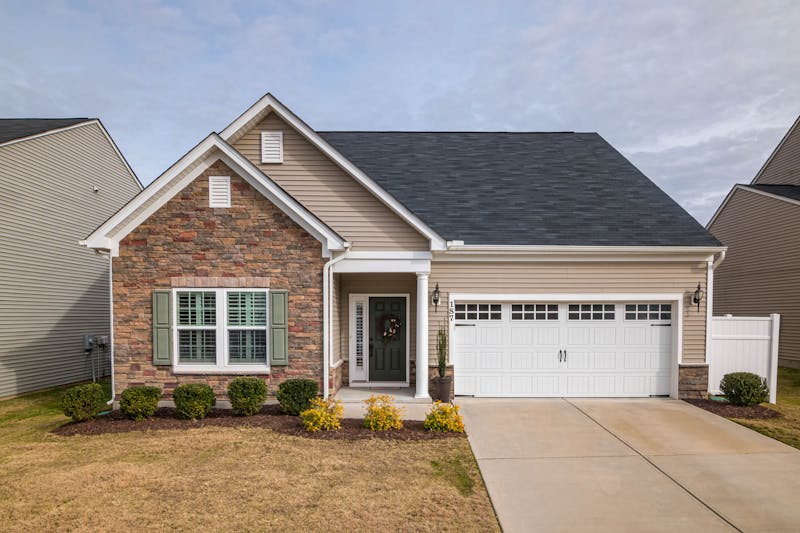
Our Technology
Pavix CCC-100: Commercial-Grade Aggregate Protection
We don't use big-box store sealers. This isn't a weekend DIY project. Pavix CCC-100 is a commercial-grade penetrating crystalline sealer.
Unlike topical sealers that sit on the surface, Pavix penetrates up to half an inch into the concrete. It uses dual-crystalline technology to fill the pores and capillaries within the cement matrix. For exposed aggregate, the sealer gets between and underneath the decorative stones, locking them in place from below.
| Benefit | What It Means |
|---|---|
| Deep Penetration | Up to 1/2" into concrete. Permanent. |
| Stone Lock-In | Bonds underneath aggregate, prevents pop-out |
| Freeze-Thaw Resistance | Blocks water that causes winter damage |
| Chemical Resistance | Handles de-icing salts, oil, fuel |
| Natural Look Option | No glossy film. Stones look natural. |
| Breathable | Lets moisture vapor out. No trapped water. |
| ASTM Tested | Proven freeze-thaw resistance |
Finish Options
Natural vs. Enhanced vs. Wet Look
One question I get on every job: "Will sealing change how my concrete looks?" The answer depends on what you want.
Natural Finish
Most Popular Choice
The sealer is invisible. Your exposed aggregate looks exactly like it did before, just protected. No sheen. No color change. The stones keep their natural matte appearance.
Best for: Driveways that need to look clean and uniform
Enhanced Finish
Brings Out Stone Colors
Brings out the natural colors in the aggregate. Think of how river rocks look wet versus dry. That richness. Slight sheen, not glossy. Stones look more vibrant. Contrast increases.
Best for: Patios and pool decks where you entertain
Wet Look Finish
Most Dramatic Option
Your concrete looks perpetually damp. Stones show their deepest colors. Strong sheen throughout. Not for everyone. We can do test patches so you see exactly what you're getting.
Best for: Specific design situations, architect specs
Sealer Comparison
Best Sealer for Exposed Aggregate: Penetrating vs. Topical
Topical sealers create a film on the surface. On exposed aggregate? That film sits on top of the stones but can't bond properly in the valleys between them. Water gets under the film. Lifts it. Peels it.
Topical Sealers
Acrylic, Epoxy, Urethane
- XCreates surface film that peels on textured concrete
- XCan't bond properly in valleys between stones
- XNeeds reapplication every 1-3 years
- XCan yellow in UV exposure
- XTraps moisture underneath
- XNightmare to remove once it starts failing
- XNot breathable - causes delamination
Penetrating Sealers
Crystalline Technology (What We Use)
- +Bonds chemically with concrete
- +No surface film to peel
- +Breathable - moisture can escape
- +Works on textured surfaces
- +Long-lasting protection (5-10 years)
- +Invisible or subtle appearance
- +Gets between and underneath stones
Bottom line: penetrating sealers are the only professional choice for exterior exposed aggregate. Everything else causes more problems than it solves.
Our Process
The Exposed Aggregate Sealing Process
Every exposed aggregate job follows the same proven process. The surface has to be completely clean for the sealer to penetrate properly.
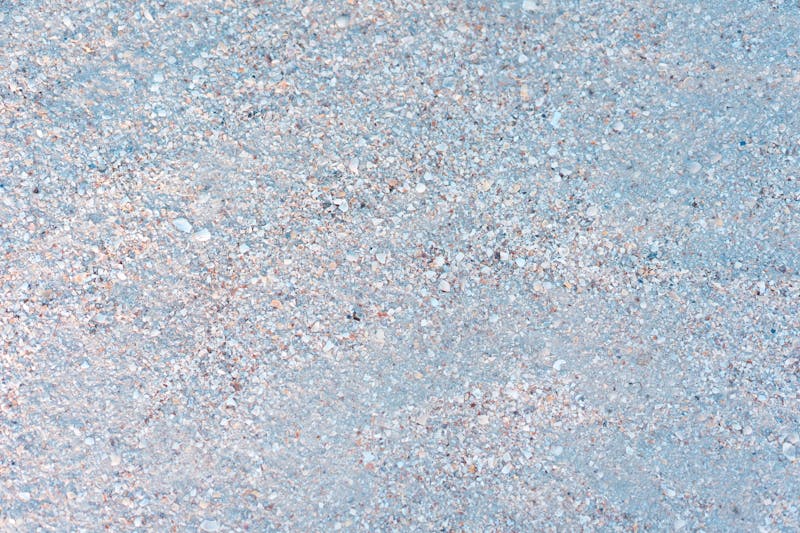
Deep Cleaning
This is where most DIY attempts fail. We pressure wash every square foot. Get into all those crevices between stones. Remove any previous sealer residue, oil stains, organic growth.
Stone Inspection
Before we seal, we check for loose aggregate. If stones are already compromised, sealing won't save them. Better to address repairs first. We'll flag any problem areas.
Surface Preparation
The concrete needs to be dry but not bone dry. Pavix works even on slightly damp surfaces. We mask off any areas that shouldn't be sealed: lawn edges, garden beds, adjacent surfaces.
Professional Application
Pavix goes on with commercial spray equipment. We apply in controlled sections, ensuring even coverage into all the textured areas. No puddles or pooling.
Cure Time
Pavix dries in about an hour under normal conditions. You can walk on the surface the same day. We recommend keeping vehicles off for 24 hours.
Final Walkthrough
Before I leave, we verify everything's covered and you're happy with it. I'll show you how water now beads on the surface instead of soaking in.
Transparent Pricing
Exposed Aggregate Sealing Cost in Kelowna
Exposed aggregate sealing costs more than standard concrete sealing. The surface area is greater. The application takes more time. The product goes into more crevices.
Size
Larger driveways = lower per-sq-ft cost
Condition
Neglected surfaces need more prep
Access
Easy access = faster work
Finish
Natural, enhanced, or wet look
Standard Driveway
$900-$1,500
~600 sq ft - Basic sealing
$1.50-$2.50 per sq ft
Enhanced Finish
$1,000-$1,650
~600 sq ft - Color enhancement
Brings out natural stone colors
Large Driveway
$1,500-$2,750
1,000+ sq ft
Volume pricing available
The Real Cost Comparison
Replacing
$9,000-$15,000
$15-25 per sq ft
Sealing
$900-$1,500
Extends life 10+ years
Sealing isn't an expense. It's protecting a $15,000 investment.
Checklist
Signs Your Exposed Aggregate Needs Sealing
- !Water absorbs into the surface instead of beading up
- !Stones feel rough instead of smooth
- !Color looks faded compared to protected areas
- !You're finding loose pebbles on the garage floor
- !Stains are harder to remove than they used to be
- !Old sealer is peeling or flaking (if you had topical)
If you're seeing any of these, don't wait. Every freeze-thaw cycle without protection does more damage.
Best Time to Seal
Timing Guide
New Concrete
Wait at least 28 days after pouring. Some recommend 60-90 days.
Late Spring (April-May)
Ideal. After freeze-thaw season ends.
Early Fall (Sept-Oct)
Also great. Before winter arrives.
Summer
Works fine. Avoid temps above 90F.
FAQ
Frequently Asked Questions
How often should exposed aggregate be sealed?
With penetrating crystalline sealers like Pavix, you're looking at 5-10 years between applications. Topical sealers need reapplication every 1-3 years. The penetrating approach costs more upfront but saves money long-term.
Will sealing prevent stones from coming loose?
If stones are already loose, no. Sealing protects stones that are still bonded by preventing water infiltration underneath. We recommend addressing loose aggregate before sealing. For stones that are secure, sealing dramatically reduces the chance of future loosening.
Can I get a wet look finish on exposed aggregate?
Yes. We can apply penetrating sealers in a way that achieves a wet look or enhanced appearance. We recommend doing a test patch first so you see exactly what you're getting. Wet look isn't reversible, so make sure you love it before committing.
Does sealing change the color of exposed aggregate?
With natural finish, no visible change. Enhanced and wet look finishes will bring out deeper colors in both the stones and the cement matrix. Think of how a stone looks wet versus dry. That's the effect.
How do you clean exposed aggregate before sealing?
Commercial pressure washing with appropriate nozzles and technique. We clean every crevice and pocket between stones. For stubborn stains, we use specialized concrete cleaners. The surface must be thoroughly clean for proper sealer penetration.
Can you seal old or damaged exposed aggregate?
Depends on the damage. Surface weathering, minor discoloration, small cracks? Usually yes. Significant aggregate loss, deep spalling, or structural issues? Those need repair first, and sometimes replacement is the honest answer. We'll tell you straight during the inspection.
Is exposed aggregate sealer slippery?
Not with penetrating sealers. There's no surface film to create slip hazard. The texture of your exposed aggregate stays exactly the same. Topical sealers can create slippery surfaces, which is another reason we avoid them.
Can I seal exposed aggregate myself?
You can try. Most DIY attempts fail for two reasons: inadequate cleaning and wrong product choice. Hardware store sealers are typically topical acrylics that peel on textured surfaces. And without commercial pressure washing equipment, you won't get the surface clean enough for proper bonding.
Exposed Aggregate Sealing Service Areas
We work all over the Central and South Okanagan
Exposed aggregate is the most popular decorative concrete finish in our region. We've sealed hundreds of driveways, patios, and pool decks across all these communities.
Protect Your Exposed Aggregate Investment
Your exposed aggregate concrete was a premium choice. The distinctive texture, the natural stone beauty, the curb appeal.
Natural, enhanced, or wet look finish. Your choice.
Related Services